
The Mystery of the Sweet Neem: A Journey from Bitterness to Bliss
The Leela
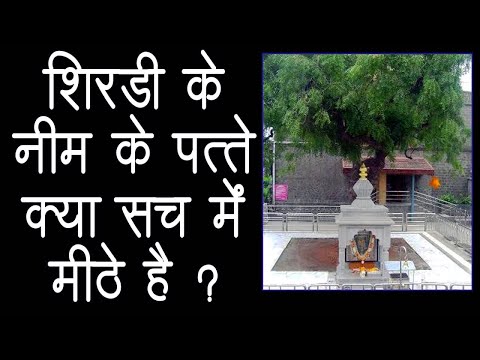
In the sacred soil of Shirdi, the great Neem tree stands as a silent witness to the dawn of Sai Baba's avatar. Devotees whisper legends that the leaves of this specific tree, naturally bitter by creation, taste sweet due to the grace of the Guru. Yet, a conflict often arises in the minds of the rational pilgrim: "I tasted the leaf, and it was bitter. Are the books lying?"
To understand this mystery, we must look beyond the physical tongue and into the heart of the Guru Tattva. Consider the tale from Gajanan Vijay about Govindbua Taklikar, a devotional singer who owned a magnificent but perilous horse. This beast was wild, "naughty," and prone to violence, much like the untamed mind or the harshness of nature. Govindbua, weary of the horse's aggression, once traveled to Shegaon for a Kirtan. Consumed by the fear that the beast would break its chains and hurt someone, he kept checking on it throughout the night.
To his astonishment, he found the wild horse standing in absolute stillness, a portrait of serenity. Upon closer inspection, he saw the reason: the great Saint Gajanan Maharaj was sleeping peacefully between the horse's legs. The presence of the Saint had transformed the beast's violent nature into the calmness of a Sadhu.
Similarly, when the young Sai Baba, at the tender age of sixteen, took his seat under the Neem tree, the tree's inherent nature began to shift. Just as the horse found peace, the bitter tree, sheltering the Lord of the Universe, became a Kalpavriksha (wish-fulfilling tree). While the biological bitterness may remain for the common tongue, for the seeker, the tree represents the profound transformation of the soul in the company of the Holy.
? The Conflict / Doubt
Many texts claim the Neem leaves at Gurusthan are sweet, yet physical experience often reveals them to be bitter. This creates a conflict: Is the spiritual lore factually incorrect, or is there a deeper symbolism regarding the nature of the tree and the path of the seeker?
The Revelation
The bitterness of the Neem is not a flaw in the legend, but a necessary lesson in the spiritual journey. The Guru explains that Bitterness symbolizes Penance (Tapas).
- The Path of Austerity: Just as Baba stood under the Neem tree day and night, enduring extreme heat and cold without speaking, the seeker must endure the "bitterness" of discipline, hardship, and self-control. The path of virtue (Satvikta) often tastes bitter in the beginning.
- The Transformation: Baba's journey did not end at the Neem tree. After completing his penance, he reappeared in Aurangabad under a Mango Tree. This signifies the spiritual progression: one must first consume the bitter Neem of penance to eventually taste the sweet Mango of realization.
- The Alchemy of Grace:
"The more the Sun heats up, the more it evaporates the ocean... The same salt water becomes sweet rain." Just as the sun's fierce heat transforms salty ocean water into sweet rain, the "heat" of spiritual austerities transforms the bitter, salty nature of the mundane soul into the sweet nectar of Divinity.
- The Purpose: Baba, being the Lord Himself, had no need for penance. He accepted the bitterness solely to set an example (Loksangraha), teaching us that we must withstand the heat of life's challenges to attain the sweetness of the Guru's feet.
Scriptural References
📖 Sai Satcharitra Ch. 4 (v111, 118), Ch. 5 (v9), Ch. 8 (v79), Ch. 23 (v94) | Gajanan Vijay Ch. 9 | Sai Mahimna Stotram
Watch the Discourse
In the sacred soil of Shirdi, the great Neem tree stands as a silent witness to the dawn of Sai Baba's avatar. Devotees whisper legends that the leaves of this specific tree, naturally bitter by creat...
Leela Narration
In the sacred soil of Shirdi, the great Neem tree stands as a silent witness to the dawn of Sai Baba's avatar. Devotees whisper legends that the leaves of this specific tree, naturally bitter by creat...